
Winning a project is only half the battle. The real challenge is making sure the numbers behind your bid actually work.
A small estimating mistake can wipe out your profit long before the project reaches completion. Missing a few material quantities, underestimating labor, or forgetting indirect costs may not seem like a big deal during the bidding stage, but those errors become expensive once construction begins.
Whether you’re a general contractor, subcontractor, or builder, avoiding common estimating mistakes can protect your margins and help you submit more competitive bids with confidence.
1. Missing Quantities During Material Takeoffs
Accurate material takeoffs form the foundation of every estimate. If quantities are incorrect, every calculation that follows is affected.
It’s surprisingly easy to overlook items when reviewing plans, especially on large commercial or residential projects. Missing concrete volume, roofing materials, framing components, insulation, or finishing products often leads to unexpected purchases after work has already started.
Even a small percentage error across several materials can add thousands of dollars to the total project cost.
Using digital takeoff software, standardized checklists, and a second review significantly reduces the risk of missing quantities.
2. Underestimating Labor Hours
Labor is one of the largest expenses on most construction projects, yet it’s also one of the hardest costs to predict accurately.
Many estimates assume ideal working conditions. Reality is different.
Weather delays, difficult site access, overtime, equipment availability, crew experience, inspections, and coordination with other trades all affect productivity.
When labor hours are underestimated, contractors often finish projects with far lower profits than expected.
Instead of relying on optimistic assumptions, use historical production data from completed projects whenever possible. Real job data almost always produces better estimates than guesswork.
3. Ignoring Material Price Changes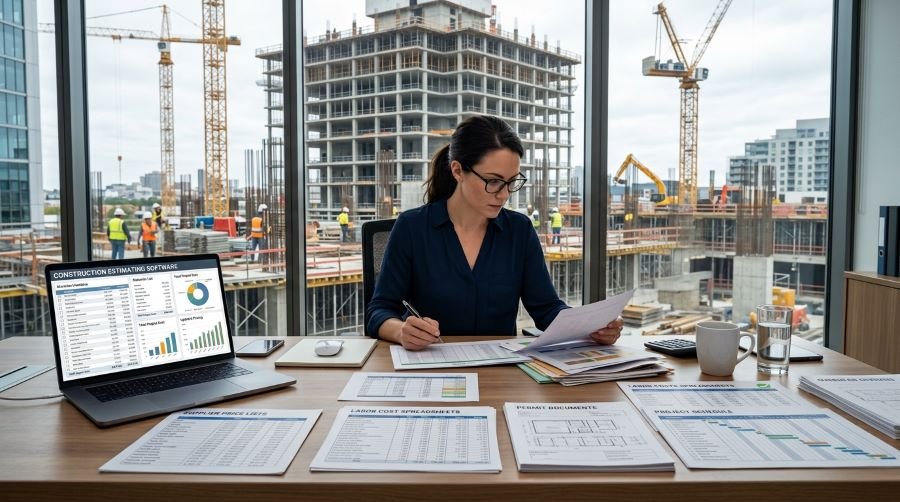
Construction material prices rarely stay the same for long.
Steel, lumber, concrete, electrical components, piping, drywall, and insulation can all fluctuate because of market conditions, supply chain disruptions, transportation costs, or seasonal demand.
An estimate prepared weeks before a bid submission may already contain outdated pricing.
Before submitting any proposal, verify supplier quotes and update material pricing. On larger projects, consider including escalation clauses when appropriate to protect against significant market changes.
4. Forgetting Overhead and Contingency Costs
Many contractors focus only on direct construction costs.
Unfortunately, projects involve much more than labor and materials.
Business expenses such as office operations, project management, insurance, vehicles, estimating, accounting, software, licensing, and administrative staff all contribute to the true cost of completing a project.
Unexpected site conditions, design revisions, weather delays, and minor changes also happen more often than anyone would like.
Without overhead recovery and a reasonable contingency allowance, even a well-managed project can become unprofitable.
5. Using Outdated Unit Costs
Construction costs change continuously.
If your estimating database hasn’t been updated recently, unit prices may no longer reflect current market conditions.
Labor rates increase. Equipment costs rise. Fuel prices change. Material suppliers adjust pricing throughout the year.
Using last year’s numbers to estimate today’s project often creates bids that are either too low to remain profitable or too high to stay competitive.
Review and update your cost database regularly using current supplier pricing, labor rates, and completed project records.
6. Overlooking Local Codes and Permit Requirements
Every city, county, and state has its own construction requirements.
Permit fees, inspection schedules, environmental regulations, fire protection standards, accessibility requirements, and local building codes all influence project costs.
Missing these requirements during estimating can result in unexpected expenses, redesign work, approval delays, or compliance issues after construction begins.
Taking time to review local regulations before preparing an estimate helps prevent costly surprises later in the project.
7. Rushing Estimates to Meet Tight Deadlines
Construction bidding often moves quickly.
When deadlines are tight, estimators may skip plan reviews, reuse old numbers, or make assumptions simply to submit the bid on time.
Speed should never come at the expense of accuracy.
A rushed estimate increases the chances of missing scope items, calculating incorrect quantities, or overlooking important project requirements.
Building a structured estimating process—with review checklists, standardized workflows, and adequate quality control—helps maintain accuracy even when time is limited.
How Professional Construction Estimating Services Help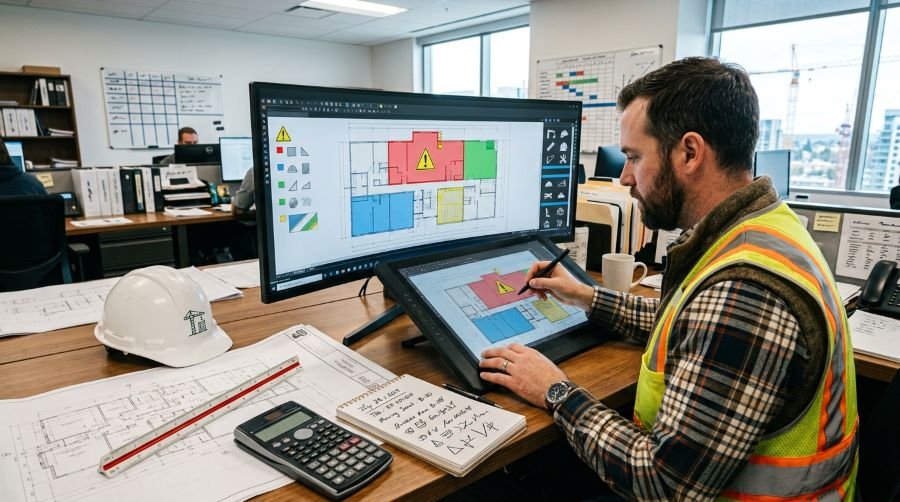
Many contractors choose to outsource estimating because it provides an independent review of project costs while reducing internal workload.
Professional estimating services use specialized software, updated cost databases, detailed quantity takeoffs, and experienced estimators to prepare accurate bid estimates.
Their process helps identify missing scope, verify quantities, update pricing, and account for labor, overhead, permits, and contingencies before a proposal is submitted.
For contractors managing multiple bids each week, outsourcing estimating can improve bid accuracy while allowing field teams to stay focused on project execution.
Final Thoughts
Construction estimating isn’t just about putting numbers into a spreadsheet. It’s about understanding every cost that affects a project’s success.
Most costly estimating mistakes are preventable. Careful quantity takeoffs, realistic labor calculations, current pricing, complete overhead planning, and thorough project reviews all contribute to more accurate bids and healthier profit margins.
Whether you prepare estimates in-house or work with professional estimating specialists, investing time in accuracy today is far less expensive than correcting mistakes after construction begins.